VALD ForceDeck Testing - A Powerful Tool for Performance & Recovery

Clare Lawson • September 15, 2026

A Powerful Tool for Performance, Rehabilitation and Recovery
What are ForceDecks?

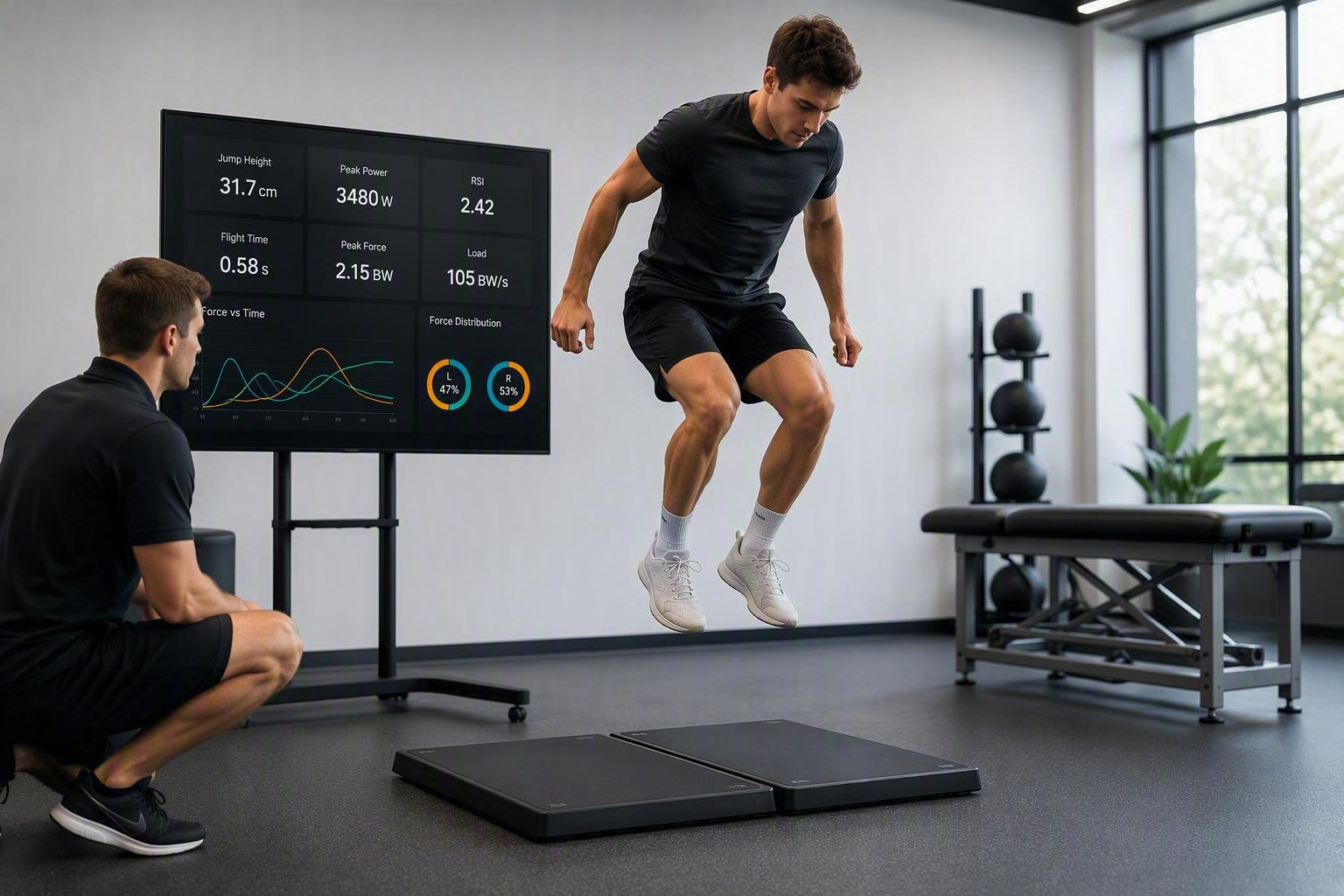
ForceDecks, also known as force plates, are advanced assessment tools that accurately measure a wide range of performance and movement metrics. They provide detailed insights into movement patterns, strength, balance, power, and symmetry.

With the ability to assess more than 20 different movement tests, ForceDecks allow us to select the most appropriate assessments based on your injury, rehabilitation stage, or performance goals.


What Can ForceDecks Measure?

ForceDecks provide objective data that helps guide both rehabilitation and performance training. Some of the key metrics we assess include:

  • Strength and power asymmetries between limbs
  • Balance and stability, including Centre of Pressure measurements
  • Rate of Force Development (RFD), which measures how quickly you can generate force
  • Ground Reaction Force, assessed through jump testing and landing analysis
  • Movement efficiency and overall performance capacity

These insights help identify weaknesses, monitor recovery, and optimise athletic performance.


Are ForceDecks Only for Athletes?

Not at all.

While ForceDecks are used extensively in elite and professional sport, they are equally valuable for anyone recovering from injury, returning to activity, or wanting to move and perform better.

ForceDeck assessments are beneficial for:

  • Runners
  • Football and sporting athletes
  • Individuals recovering from surgery
  • Active adults returning to exercise
  • Anyone looking to improve strength, balance, and movement quality

The data allows us to tailor treatment and training to your individual needs, ensuring a more targeted and effective approach.


How Can ForceDecks Help With My Injury?

ForceDeck testing provides objective information that helps us create a personalised rehabilitation plan and track your progress over time.

Benefits include:

  • Injury Rehabilitation
  • Identify movement deficits, strength imbalances, and areas requiring further rehabilitation.
  • Progress Tracking
  • Monitor improvements by repeating assessments throughout your rehabilitation journey.
  • Return-to-Sport Decision Making
  • Determine whether you have regained the strength, power, and symmetry required to safely return to sport.
  • Injury Risk Screening
  • Identify potential risk factors that may contribute to future injuries.
  • Performance Enhancement

Whether your goal is to run faster, jump higher, or perform at your best, ForceDecks can help identify opportunities for improvement.

ForceDecks can also be used for sporting teams and groups. Team assessments provide valuable insights into group performance trends, strengths, and areas for development.

For information regarding group assessments, please contact us via email.

When Should I Book a ForceDeck Assessment?

ForceDeck testing can be valuable at any stage of lower limb rehabilitation or as a performance benchmarking tool when healthy.

You may benefit from a ForceDeck assessment if you are:

  • Recovering from a lower limb or spinal injury (ankle, knee, calf, hamstring, hip, groin, quadriceps, or lower back) and able to perform jumping tasks without pain
  • Rehabilitating following an ACL injury or ACL reconstruction
  • Unsure whether you are ready to return to sport
  • Interested in finding out if one leg is stronger than the other
  • Looking to reduce your risk of future lower limb injuries
  • Wanting to compare your performance against athletes or relevant population benchmarks


Your Comprehensive Performance Report

Following your assessment, you will receive a detailed performance report outlining your results.

This report includes:

  • Side-by-side comparisons between limbs
  • Benchmarking against relevant demographic and athletic populations
  • Comparisons with previous testing sessions
  • Clear insights to guide training and rehabilitation decisions

You can share this report with your physiotherapist, doctor, coach, strength and conditioning coach, or trainer to support informed decision-making and track your progress toward returning to sport.


Ready to See How You Measure Up?

Whether you're recovering from injury, preparing to return to sport, or looking to optimise your performance, a ForceDeck assessment provides objective data to guide your next steps.

Book your ForceDeck assessment today and gain valuable insights into your strength, power, balance, and movement performance.
By Clare Lawson August 27, 2026
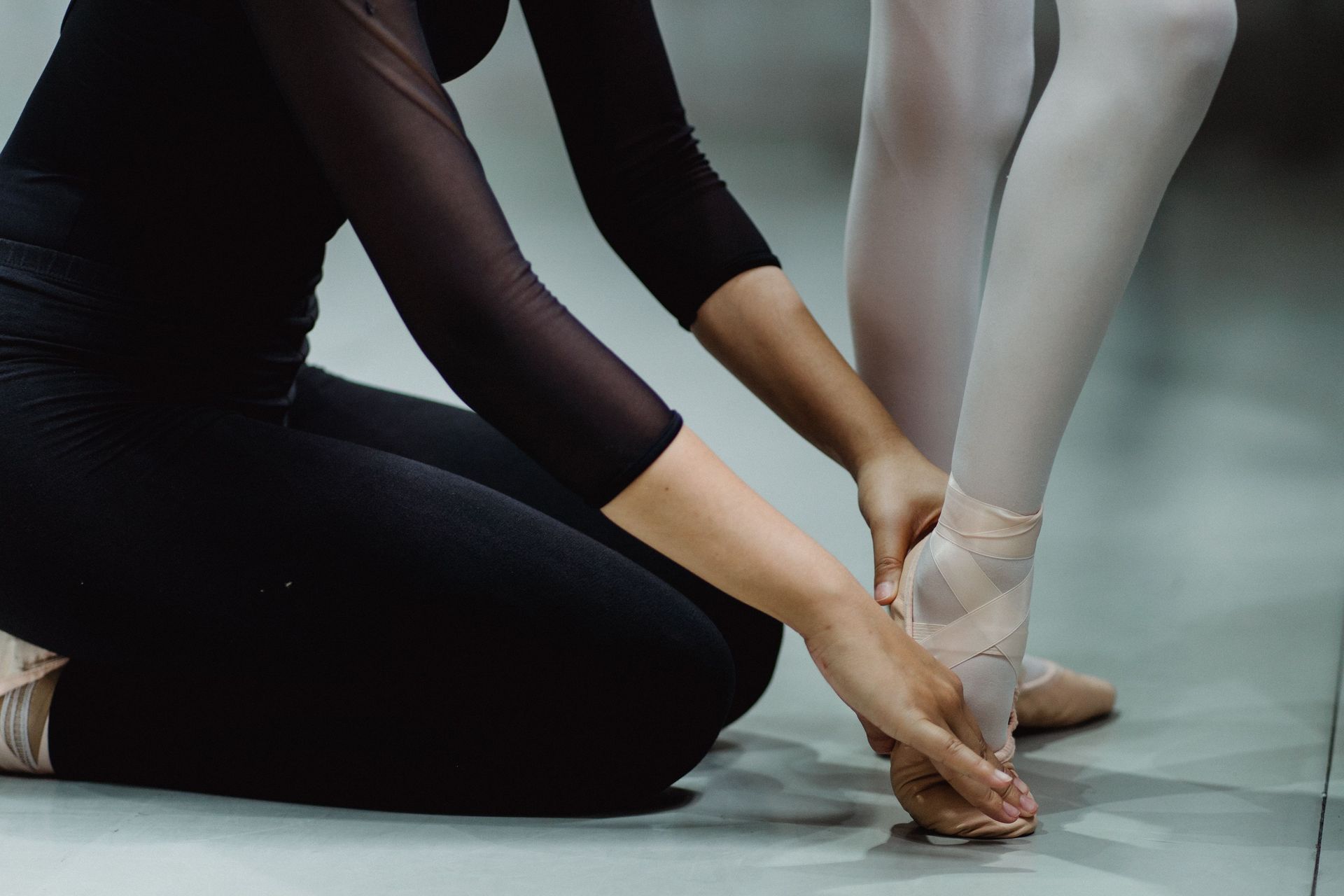
When it comes to dancing on pointe, alignment and adequate body strength are the key to ensuring your pointe journey is enjoyable and you remain injury free.
By Clare Lawson February 18, 2025
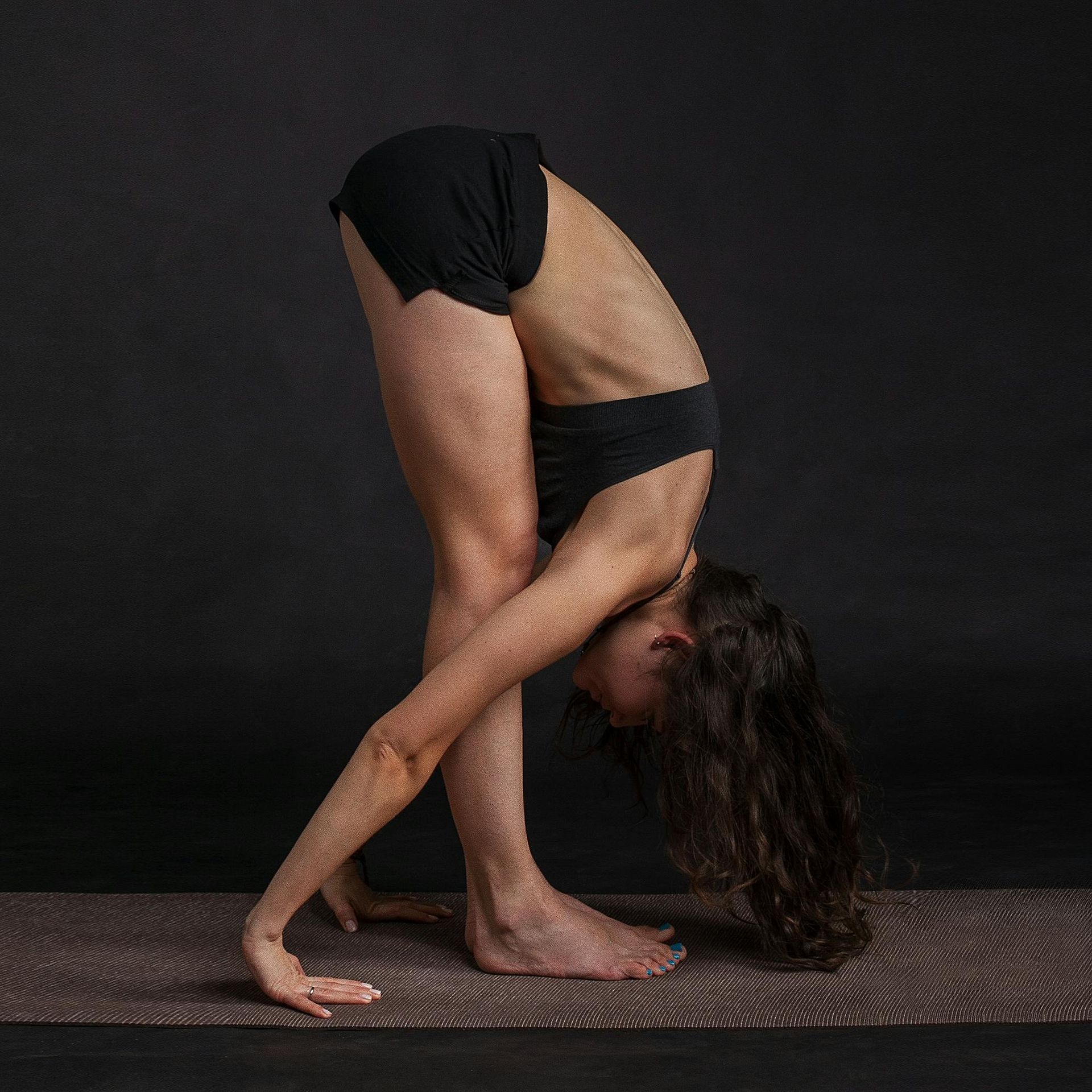
Read about the best ways to stretch to get the benefits
By Clare Lawson January 10, 2025
You'll be surprised at the benefits a magnesium pool can have!
By Clare Lawson December 4, 2024
Chronic Ankle Instability: Why do I keep rolling my ankle?
By Clare Lawson November 18, 2024
What is an ankle sprain and how to fix it? Read on below
By Clare Lawson October 30, 2024
For decades we have been told to ‘RICE’ after we get an injury, but it’s time to let go and make room for some ‘PEACE & LOVE’. This new acronym has replaced the old ‘RICE’ acronym and it has some significant changes, including avoiding ice and anti-inflammatories after an injury as these have been found to disrupt the natural healing process that we want to occur. It also gives us more guidance on what to do after the initial injury phase, a crucial step that was missing from the old ‘RICE’ acronym. For the first few days after an injury, give them some ‘PEACE’ P: Protect We want to protect the injury by de-loading and reducing movement for the first 2-3 days to prevent further damage and allow the healing process to occur. Prolonged rest can in fact lead to longer recovery times. E: Elevate Try to keep the injured limb elevated higher than the level of your heart; this will help to reduce swelling out of the area. A: Avoid anti-inflammatory modalities It is now recommended to avoid taking anti-inflammatories, such as ibuprofen and aspirin in the first few days after your injury as these can interfere with the inflammatory process and slow down tissue healing. Applying ice to an injury may also disrupt this process; it can be still be used to assist with pain relief. After the first few days heat can also be used for pain management. C: Compress Compression of the injured area using bandages or tape is recommended to help reduce swelling and bleeding. E: Educate Education plays a huge part in any injury management. Your physiotherapist will provide education specific to your injury and situation to help you understand your recovery times and what you need to do to get better fast. After the first few days have passed, injuries need ‘LOVE’ L: Load Try to resume normal activities if your pain and symptoms allow; this will promote repair, remodelling and improve tissue tolerance. Your body will tell you when it is okay to increase the load, or if it is not ready. O: Optimism Be optimistic about your recovery! People who are optimistic have better outcomes as the brain plays an important role. Fear and avoidance surrounding your injury can be barriers to recovery. Working with your physiotherapist can help to improve your confidence with getting moving again after your injury. V: Vascularisation Starting some cardiovascular exercise, such as a walking, swimming or a stationary bike will help to increase blood flow to the injured area. This, combined with rehabilitation exercises can help with pain relief and getting your back to your usual activities faster. E: Exercise Your physiotherapist will give you the specific exercises required to rehabilitate your injury and restore factors like mobility, strength and proprioception, as well as helping you to prevent the same injury from occurring again! To find out the best way to manage your injury, book in for an appointment where you will get your own comprehensive and individualised rehabilitation plan.
By Clare Lawson October 30, 2024
One of the most common questions I get asked is should I use heat or ice for my injury? There’s no correct answer, it ultimately depends on the type of your injury and which stage of the healing process it is at. When should I ice an injury? Ice has traditionally been used straight after an acute injury or surgery. For up to 72 hours after an injury, there is an inflammatory response occurring in the body. Signs of inflammation include localised skin redness, swelling, and heat, as well as pain. Cold therapy helps to reduce the blood flow to the area, thus helping to reduce the inflammation as well as giving pain relief. However, new research is showing that ice has little effect on skin temperature and reducing swelling. While it may numb the area and provide temporary pain relief, it’s ability to accelerate healing beyond the initial stage of an injury appears to be not as effective as we thought it was.  What about ice baths? – see our other blog on them here
By Clare Lawson October 30, 2024
What is a Sports Physiotherapist? They are a highly qualified physiotherapist with expert knowledge and skills in the prevention, diagnosis and treatment of sports injuries. The Title awarded by the Australian Physiotherapy Association, serves as a professional mark of distinction in the field of Sports Physiotherapy, which not all physiotherapists have.  They have undergone intensive training and a rigorous selection process by demonstrating expertise and achieving an outstanding level of contribution to the field of sports physiotherapy. Clare completed this process, obtaining her titling as a Sports Physiotherapist in 2018, after completing a Masters of Sports Physiotherapy degree. Clare has also earnt membership into the Australian College of Physiotherapists; a distinguished group of leaders in physiotherapy clinical practice. Sports Physiotherapists are skilled in fixing all sports injuries and work with people across the physical activity continuum; those returning to exercise, weekend athletes, fitness fanatics and elite athletes. At Refined, you can be reassured that you are receiving the best care with Clare, as she has demonstrated the highest standard of clinical experience and knowledge to accurately identify, prevent and treat injuries.